نام مستعار چه معنایی دارد؟ حفظ محرمانگی در پروندههای تجاوز جنسی
دادگاههای مدنی انتاریو معمولاً بر اصل «عدالت علنی» تأکید دارند و تلاش میکنند از پیامدهای منفی پنهانکاری جلوگیری
Blog
Farsi Blog
Simona Jellinek

Estate Planning and Probate in Ontario: A Comprehensive Guide to Estate Administration
Estate planning is essential to ensuring that your final wishes are respected, and that your loved ones are taken care of after your passing. In Ontario, understanding the complexities of estate administration and probate is crucial for both the estate trustee as well as the beneficiaries. Whether you are in the process of planning your estate, administering an estate as an estate trustee, or dealing with a probate matter, having a clear understanding of the processes involved can alleviate some of the stress and confusion during what can be an emotionally challenging time.
Understanding Estate Administration and the Role of Estate Trustees
When someone passes away, their estate must be administered according to their wishes, as outlined in their Will or estate plan, or in accordance with Ontario law as set out in the Succession Law Reform Act, R.S.O. 1990, c. S.26. Estate administration involves validating the deceased person’s Will (if one exists), managing their assets, paying any debts or taxes owed, and distributing the remaining assets to beneficiaries. This process is complex, and the individual appointed as estate trustee plays a key role in overseeing and completing these tasks.
Estate trustees, who are typically named in the deceased's Will, must understand Ontario's laws on succession, interpret the Will’s provisions, and ensure compliance with relevant legal requirements. In many cases, estate trustees have little experience with these responsibilities and legal requirements, and the process can be overwhelming. That is where estate lawyers (also referred to as probate lawyer) step in, offering expertise and guidance throughout the estate administration process.
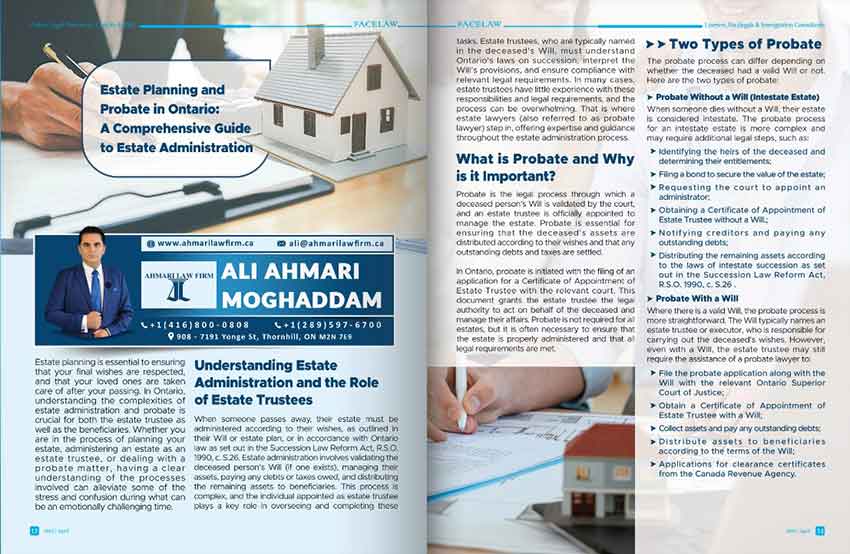
What is Probate and Why is it Important?
Probate is the legal process through which a deceased person’s Will is validated by the court, and an estate trustee is officially appointed to manage the estate. Probate is essential for ensuring that the deceased’s assets are distributed according to their wishes and that any outstanding debts and taxes are settled.
In Ontario, probate is initiated with the filing of an application for a Certificate of Appointment of Estate Trustee with the relevant court. This document grants the estate trustee the legal authority to act on behalf of the deceased and manage their affairs. Probate is not required for all estates, but it is often necessary to ensure that the estate is properly administered and that all legal requirements are met.
Two Types of Probate
The probate process can differ depending on whether the deceased had a valid Will or not. Here are the two types of probate:
The Role of a Probate Lawyer in Estate Administration
An estate lawyer is an essential resource during the probate process. Whether the estate involves a Will or is intestate, a probate lawyer helps ensure that the estate is administered correctly and that the deceased's wishes are honored. Probate lawyers, also known as estate administration lawyers, assist in a variety of tasks, including:
Key Services for Estate Trustees and Executors
The role of the estate trustee is pivotal in ensuring that the estate is administered properly. An estate lawyer can assist with the following:
When Should You Hire an Estate Lawyer in Ontario?
It is advisable to hire a estate lawyer if you are:
Conclusion
Estate planning and probate administration in Ontario require careful attention to legal details and procedures. Whether you are an estate trustee managing the estate of a loved one, or a beneficiary trying to understand your rights, it is crucial to have a knowledgeable estate lawyer by your side to guide you through the process.
دادگاههای مدنی انتاریو معمولاً بر اصل «عدالت علنی» تأکید دارند و تلاش میکنند از پیامدهای منفی پنهانکاری جلوگیری
اگر بر اثر بیاحتیاطی یا سهلانگاری دیگران آینده شما با ابهام روبهرو شده است، ممکن است پرسشها و نگرانیهای
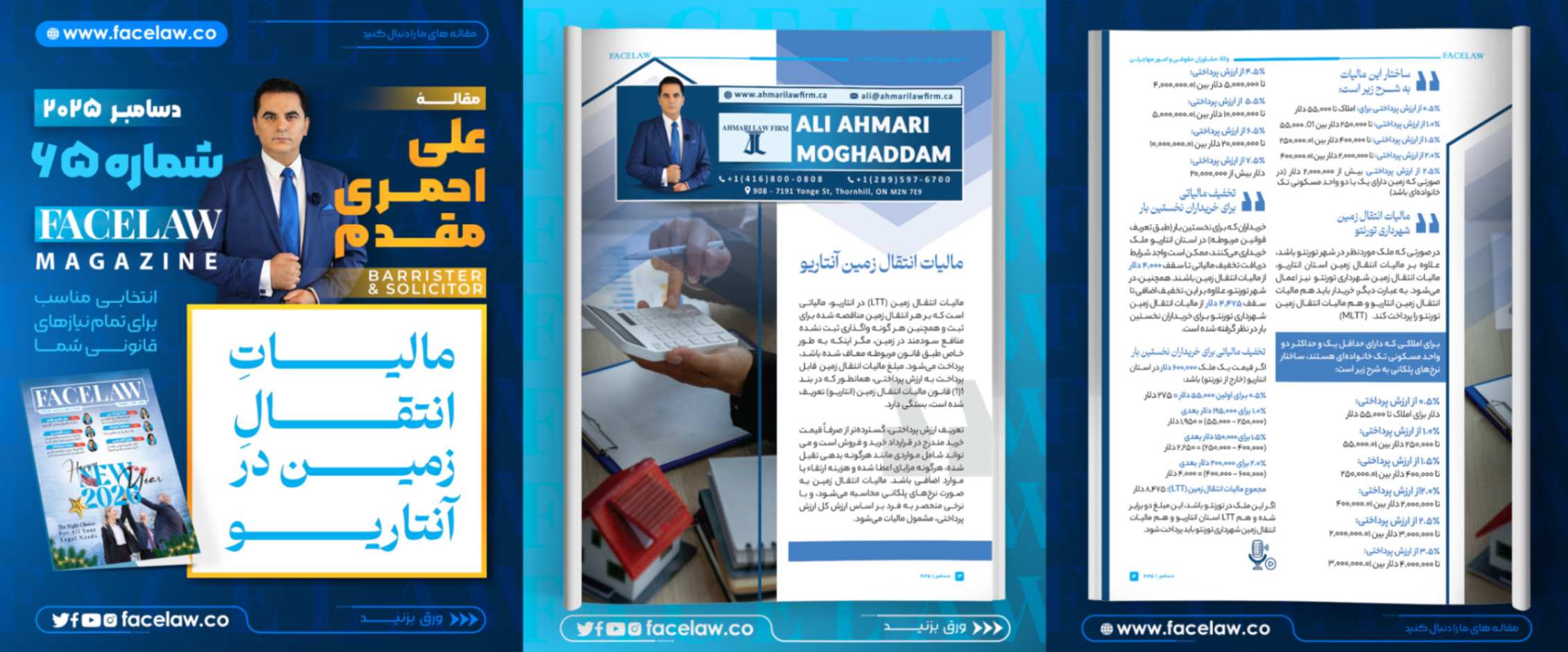
مالیات انتقال زمین (LTT) در انتاریو، مالیاتی است که بر هر انتقال زمین مناقصه شده برای ثبت و همچنین
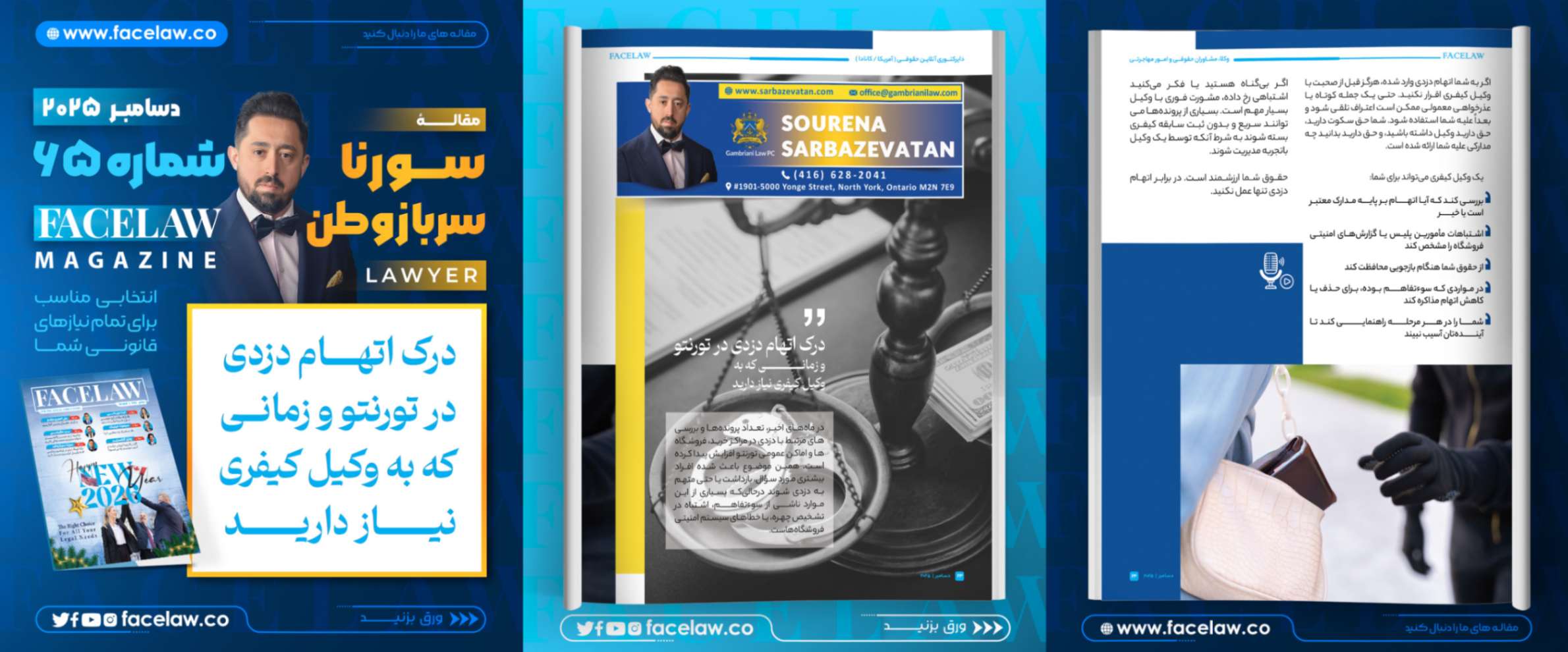
در ماههای اخیر، تعداد پروندهها و بررسیهای مرتبط با دزدی در مراکز خرید، فروشگاهها و اماکن عمومی تورنتو
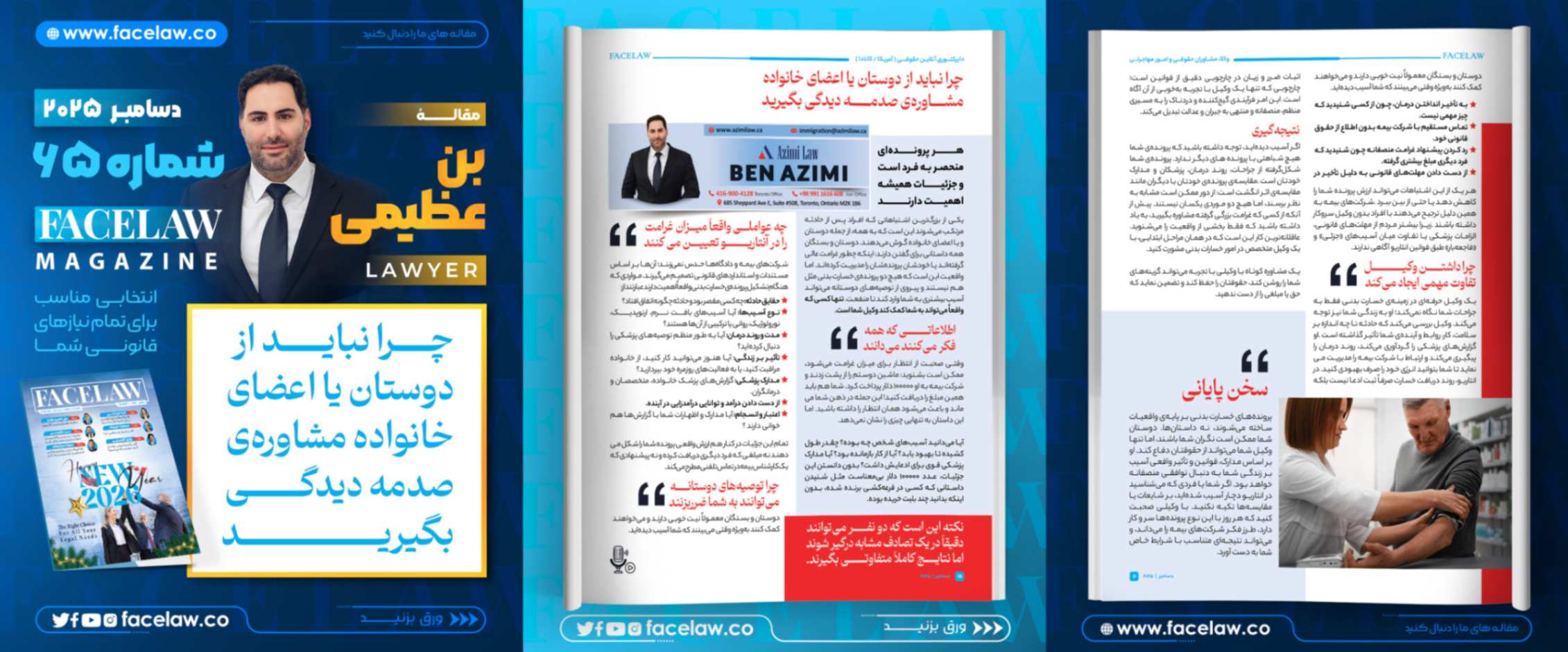
یکی از بزرگترین اشتباهاتی که افراد پس از حادثه مرتکب میشوند این است که به همه، از جمله دوستان
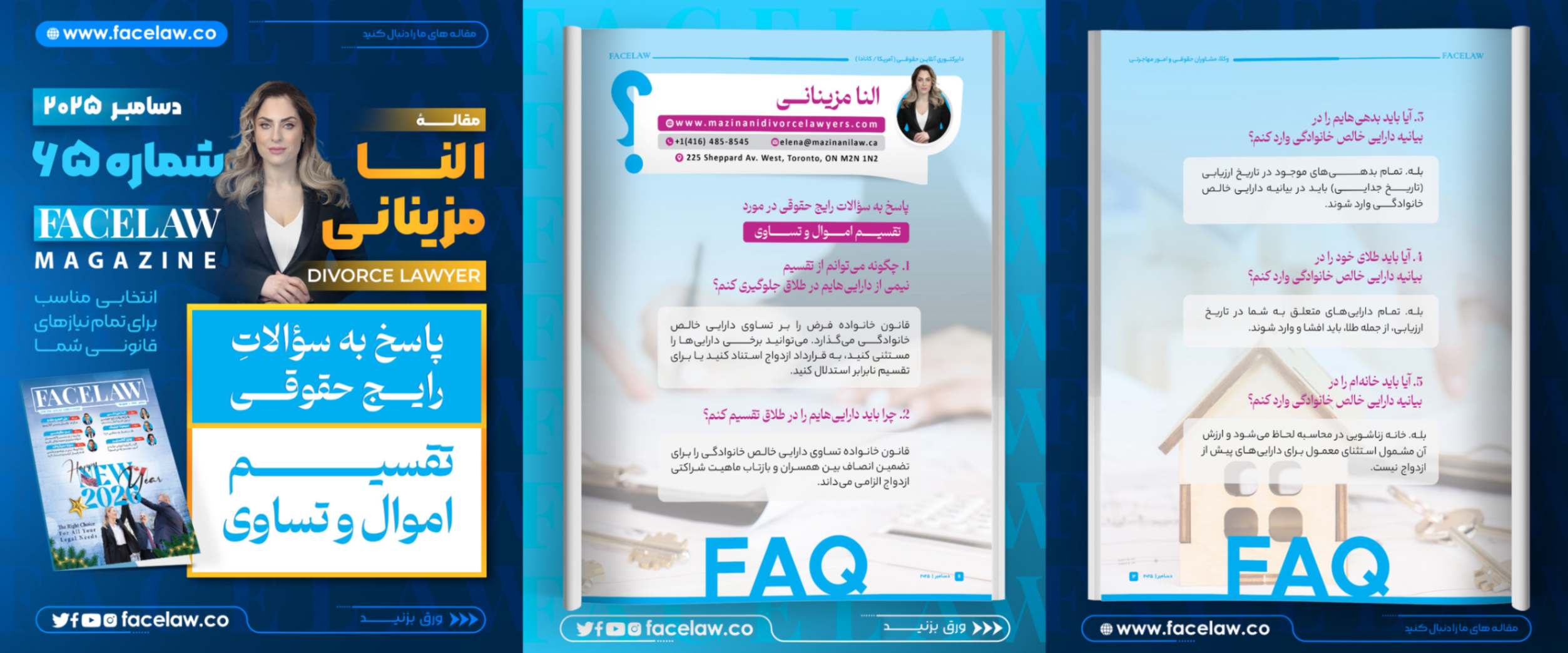
قانون خانواده فرض را بر تساوی دارایی خالص خانوادگی میگذارد. میتوانید برخی داراییها را مستثنی کنید